
Over the past several years, singer-songwriter Ari Leff, known by his stage name Lauv, has been riding a rocketship to pop superstardom. Shortly after graduating from New York University’s music technology program, he released the platinum-certified “I Like Me Better,” a song which earned him a spot on the Billboard Hot 100 chart and marked the beginning of a meteoric rise to fame. For the next two years, Lauv toured non-stop, appearing in major festivals, supporting Ed Sheerhan on the Divide Tour, and even headlining two tours of his own. Somewhere in the mix, he found time to write and record his debut album How I’m Feeling, an enormous commercial and critical success that spotlighted his brand of stripped-down electronic pop. By all accounts, the California-born singer had finally made it.
Then, 2020 happened. The COVID-19 pandemic led to worldwide shutdowns, and all the momentum that Lauv had built over the past several years came to a screeching halt. For the first time in years, the young artist was alone with his thoughts, confronted by the realization that his newfound fame and fortune hadn’t actually solved his problems. He was lonely, exhausted, and deeply depressed. So he did what any lifelong musician would do: He wrote an album about it.
I recently had the privilege of attending a press conference with Lauv, where he discussed the making of his second studio album All 4 Nothing, which chronicles his mental health journey and his pursuit of happiness. Here is what he had to say.
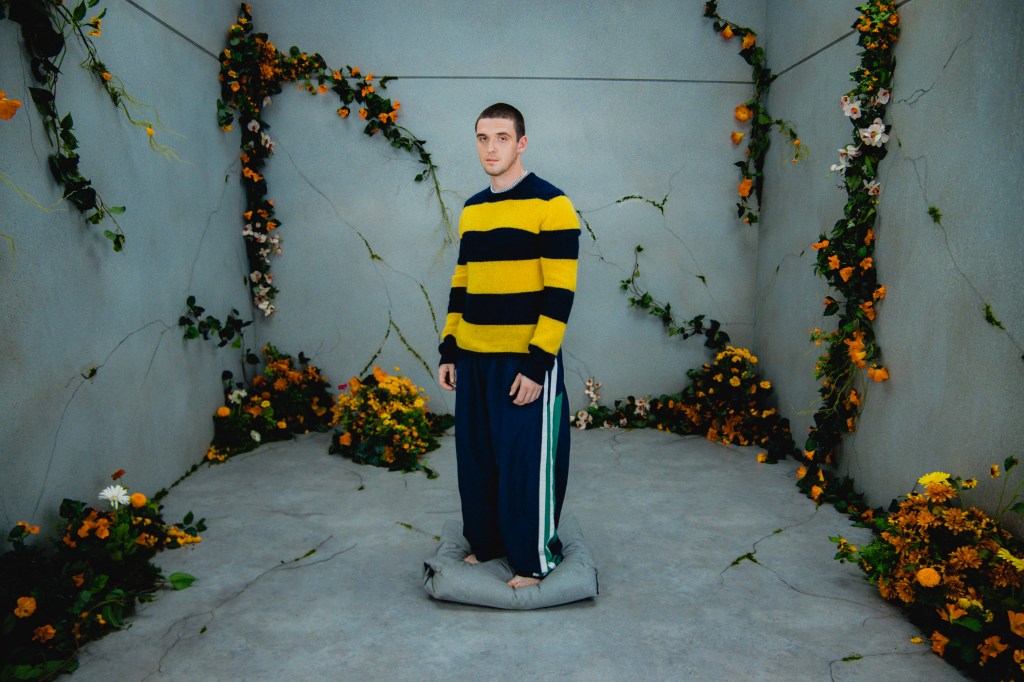
On his personal evolution from I Met You When I Was 18 to now:
I feel like my life didn’t really start until college and I fell in love. So naturally when I moved to LA, my whole heart and mind was filled with reflection about that relationship and what it meant to fall in love. That was the journey. From there, because the music made out of there blew up so much, I started to get taken for this ride- insanity, touring all the time, doing all this stuff- and I think that led me to a place of loneliness. So that naturally turned into what How I’m Feeling was about. And then All 4 Nothing was me being like, “I am not happy as a person.” Not that it doesn’t matter that I’ve had this success, but I was so unhappy on the inside and felt so anxious all the time that I was like, “Let me find what happiness is for myself.” All 4 Nothing is [about] coming out from all that loneliness. It’s getting out of the world and being like, “Oh, yeah, life.” Happiness, all of that.
On sharing his most authentic self:
For this album, I felt like I really didn’t filter myself. Some of the darker songs are lyrically a little less polished and pretty. I tried to recount whatever was going on in my life and not [tell myself] I shouldn’t put this in the song. I think that’s both the hardest part- because it’s kind of scary- and also the most gratifying part because once it’s all out, there is nothing to hide. For a while [I] felt ashamed of the parts of [myself] that are darker. Having such a spotlight, you only want to show the lighter sides, but I got really exhausted with that. I feel like my life at [the time I made the album] was 50% healing and 50% partying, for better or for worse. Those were the two things that I was doing to cope and try to find groundedness within myself. So that’s just what the album turned into.
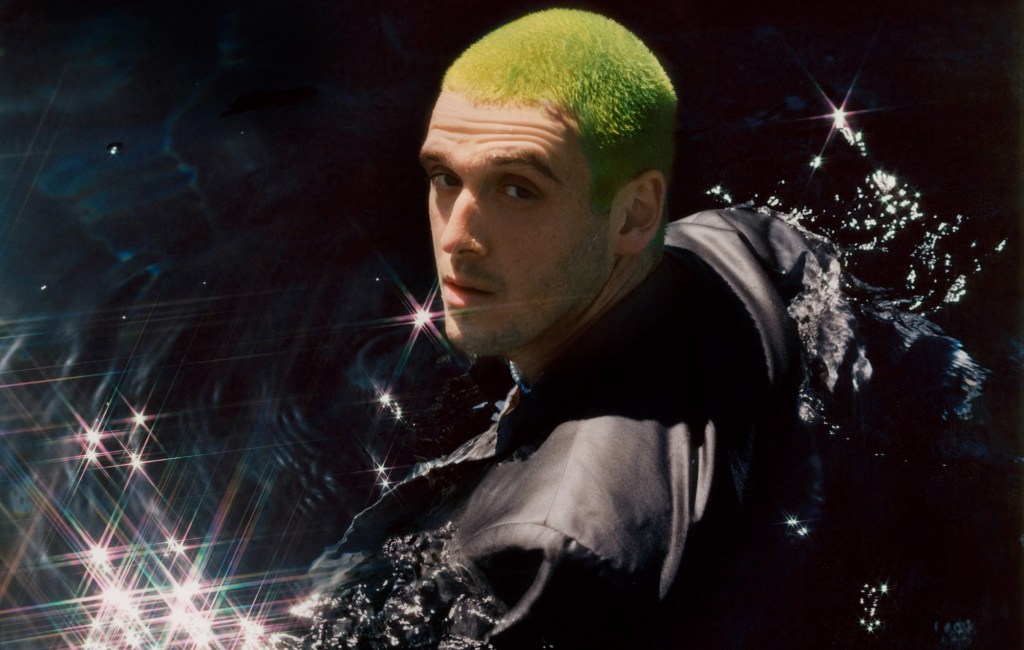
On finding freedom in improvisation:
On this album, one of the things that allowed me to grow and made it different was that I used to be a control freak. I needed to be at the computer producing everything as I’m working on a song. [For this album] I took more of a zoomed out approach, where I was focused more on the songwriting and singing and writing the songs on the microphone. [I was] putting myself in the position to be like, “Hey, I’m not gonna think. I’m gonna turn the microphone on for 5-10 minutes while these chords are playing in the background and I’m going to see if a whole song comes out.” That’s what ended up happening for most of this album. It’s why it ended up different and more immediate.
On his mental health journey and why he speaks out about it:
I feel like I had no understanding [about mental health] really. It wasn’t until I had my own big, huge, massive, shitty low where I finally realized I’m not able to just keep going to this therapist and get by. There is more that needs to happen. I was so resistant to going to a psychiatrist because I felt like there was such a stigma about taking pills to fix your brain. Meanwhile, think of all the medicine we take just for anything, when we are healing [from physical ailments.] I got to point where I was open to [taking medication] and I saw how that started to help me. This is a whole new journey for me, and now this gives me so much more context for all the other people in my life. People talk about being anxious or depressed, but until I experienced it first hand, it was hard for me to contextualize. But then I started to have language for it and I was naturally driven to want to talk about it, because this is everywhere. We are all experiencing some version of something that is of-the-mind. Since then, it’s just become deeper and deeper for me- my love for the exploration of the mind, for how I can better take care of myself, better respond to others.
All 4 Nothing is out now on all platforms!
Recommended Tracks: Summer Nights, Bad Trip, Kids Are Born Stars
 Pop Apologist